ECG – Electrocardiogram
Aenean lacinia bibendum nulla sed consectetur. Maecenas faucibus mollis interdum. Nulla vitae elit libero, a pharetra augue. Vivamus sagittis lacus vel augue laoreet rutrum faucibu.
- Posuere erat a ante venenatis
- Praesent commodo cursus
- Posuere erat a ante venenatis
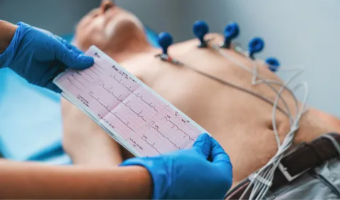
Electrocardiography (ECG). ECGs are ordered by physicians to diagnose heart rhythm disturbances (“arrhythmias”) or structural heart disorders.
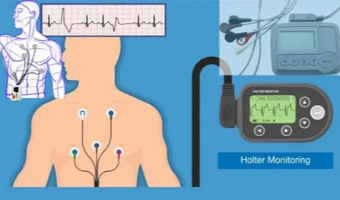
An ECG is a non-invasive procedure, which means that nothing is injected into the body. It is painless. A number of electrodes – usually a total of 12 to 15 – are attached to various locations on your body including your arm, leg and chest. The electrodes are attached by small suction cups or adhesive patches. Sensors in the pads detect the electrical activity of your heart. Sometimes the test is performed while you sit or lie still. Results are recorded on graph paper and interpreted or read by your doctor or a technologist. The test usually takes 5 to 10 minutes.
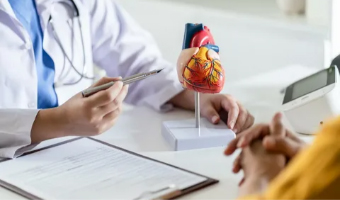
An electrocardiogram (ECG or EKG) is a test that checks how your heart is functioning by measuring the electrical activity of the heart. With each heart beat, an electrical impulse (or wave) travels through your heart. This wave causes the muscle to squeeze and pump blood from the heart. By measuring how long the electrical wave takes to pass through your heart, your cardiologist can determine if the electrical activity is normal, fast or irregular. Your cardiologist may also be able to determine if your heart is enlarged or overworked. It may be recommended if you are experiencing arrhythmia, palpitations, dizziness, excessive fatigue or angina.
An ECG is used to:
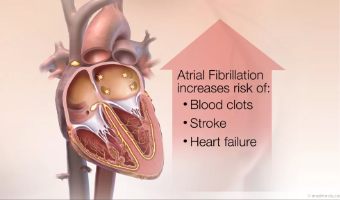
Detect abnormal heart rhythms that may have caused blood clots to form.
Detect heart problems, including a recent or ongoing heart attack, abnormal heart rhythms (arrhythmias), coronary artery blockage, areas of damaged heart muscle (from a prior heart attack), enlargement of the heart, and inflammation of the sac surrounding the heart (pericarditis).
Detect non-heart conditions such as electrolyte imbalances and lung diseases.
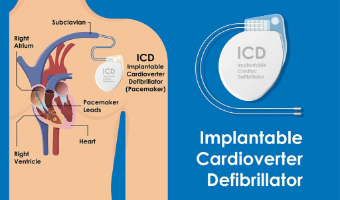
Monitor recovery from a heart attack, progression of heart disease, or the effectiveness of certain heart medications or a pacemaker.
Rule out hidden heart disease in patients about to undergo surgery.
If you require more detailed information, check with our GHVG staff or with the facility where you are having your exam.
“I’ve been going here for over 20 yrs. Dr king and Johnson have been my families Drs since early nineties! Wonderful caring Doctors! The PA’s are good at what they do. The staff especially Donna who has been there forever is very knowledgeable and always very helpful. I love Dr King awesome lady and very caring!” – Marcia O.
Helping Your Achieve a Higher Quality of Life
Gainesville Heart & Vascular Group :: 535 Jesse Jewell Pkwy SE #C, Gainesville, GA 30501
Phone: 770-534-9014 :: Fax: 770-534-9012 :: Website: GHVG.net :: Email: Info@GHVG.net